From Camcorder Tapes to Phone Clips: How Home Video Changed Family Memories
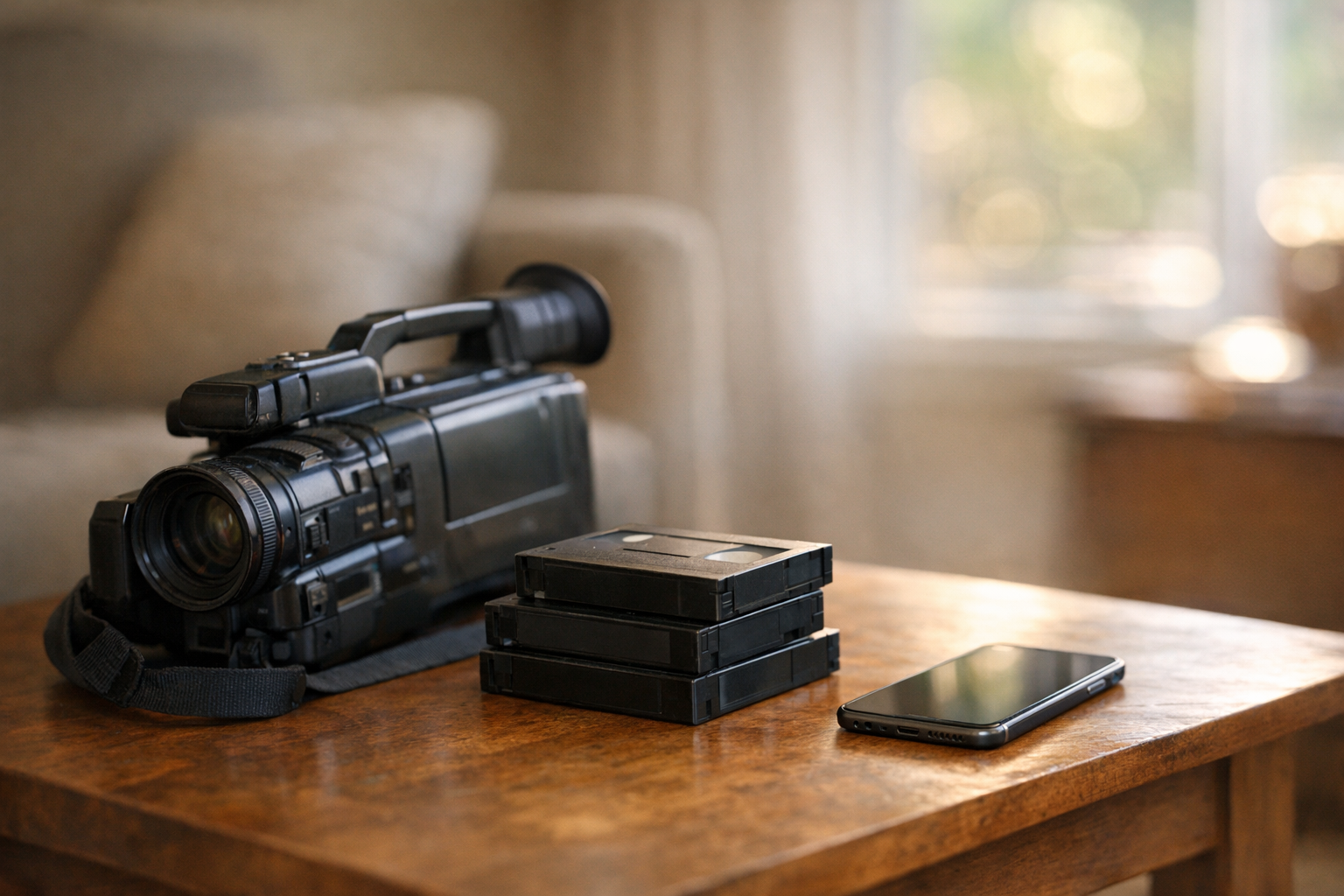
In plenty of homes there’s still a box somewhere with a handful of plastic videotapes inside. The labels say things like “Beach trip” or “First birthday,” written in marker that’s starting to fade. Nobody’s watched them in years, partly because nobody owns anything that can play them anymore.
Those tapes are a small piece of internet and technology history. The way families have recorded their lives on video has changed completely in a generation, from a bulky camera that came out for big occasions to a phone that records whatever happens to be going on. The change says a lot about how families remember things now.
When Home Video Was an Event
Early home video took effort. Camcorders were large, and some rested on your shoulder like a news camera. They weren’t cheap, so many families had one and treated it with care. Batteries ran down fast and tapes had to be bought, labeled and stored.
Because of that, the camera came out for occasions: holidays, birthdays, recitals, the first steps of a new baby. Someone, often the same parent every time, was the designated camera operator, which also meant that person rarely appeared in the footage.
The recordings themselves were long and unedited. People let the tape roll. That’s why so many old home videos include long stretches of floor, ceiling and someone asking if it’s on.
Watching Meant Gathering Around the TV
Playing a home video back was a family activity in its own right. You put the tape into a VCR, sometimes with an adapter for smaller cassettes, and everyone sat in the living room to watch.
Sharing a recording with relatives across the country meant making a copy, which usually involved connecting two machines and recording in real time, then mailing the tape. Families who did this got good at it, but it was slow, and every copy lost a little quality.
Tapes also aged. Over years, picture and sound could degrade, and a tape that got chewed up by a machine might lose a precious moment entirely. Families learned to handle the important ones carefully, keeping them away from heat, sunlight and the curious hands of toddlers.
Digital Cameras and the Family Computer
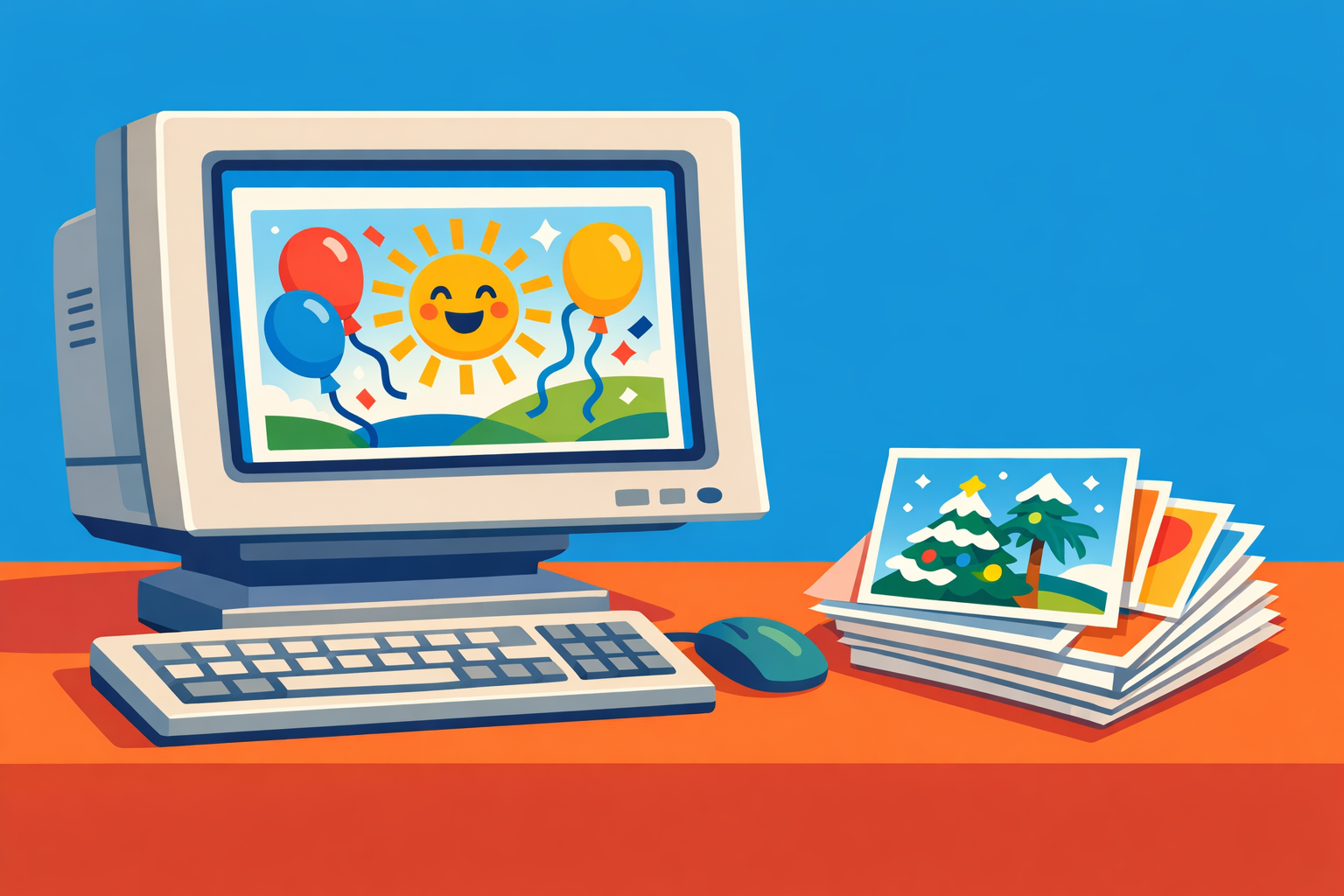
As cameras went digital, home video slowly became something you could work with on a computer. Footage could be copied over, trimmed and arranged with basic editing software. Long recordings could become short highlight reels with music.
This was a big change in what home video could be. Instead of raw footage, families could make something that looked like a finished little film. It also meant the family computer became the place where memories were stored, alongside the digital photos that were taking over from printed albums. WorldVillage has a companion piece on how photography went digital and changed the family album.
Storage became a new worry. Video files were big, hard drives filled up and a single drive failure could wipe out years of memories. Backups became part of the routine for careful families.
The Internet Made Sharing Instant
Once online video sharing caught on, the slow dance of copying and mailing tapes disappeared. A video of a birthday could reach grandparents the same day, or even the same hour.
Families started using private links, shared albums and messaging apps to send clips. Home video stopped being something you watched together on a set night and became something you received, watched on your own and replied to.
The same technology that made sharing easy also changed what families watched in general. If you’re curious about that side of the story, WorldVillage’s look at how on-demand video changed family viewing traces the broader picture.
Every Phone Became a Camcorder
Phones with good video cameras finished the transformation. Now nearly everyone in the house carries a camera at all times, and recording a moment takes a second.
That has real upsides. Ordinary days get recorded, not just holidays. Parents appear in more footage because anyone can pick up a phone. Clips are short and easy to share, and kids grow up used to seeing themselves on video.
There are trade-offs, too. With so many clips, few get watched more than once. Videos pile up in camera rolls, mixed in with screenshots and blurry shots. And moments sometimes get watched through a screen instead of directly. The challenge is no longer capturing memories. It’s finding and enjoying them later.
Bringing Old Tapes and New Clips Together
If your family has old tapes in a closet, they’re worth rescuing before they degrade further. Digitizing services can convert many tape formats into digital files, and some local libraries or community centers may have equipment for doing it yourself. If you go the do-it-yourself route, handle fragile tapes gently and test one you care less about first. Ask what formats they handle before you bring them in.
Once the old footage is digital, it can live alongside your newer clips. A few habits help keep the whole collection watchable:
Pick favorites as you go. Mark the best clips from each month or event so they’re easy to find later.
Make short compilations. A few minutes of highlights from a year is far more likely to get watched than hours of raw footage.
Keep more than one copy. Store important videos in at least two places, such as a cloud service and an external drive.
Clean up regularly. WorldVillage’s guide to cleaning up phone photos before the holidays works just as well for video clutter.
The Point Was Always Watching Together
Technology has made recording effortless, but it hasn’t changed why families do it. The old tapes were valuable because people gathered on the couch to watch them, laughing at haircuts and hearing the voices of relatives who aren’t around anymore.
That part is still available. Pull up a few old clips over the holidays and watch them as a family, on the biggest screen in the house. The camera has changed many times. The reason to press record hasn’t changed at all.