Hosting Out-of-Town Family for the Holidays Without Wearing Yourself Out
The guest list is set. Your sister’s family is flying in, your parents are driving up, and somebody’s bringing a dog. For a few days, your house will hold more people than it was ever designed for, and you’re the one making it work.
Hosting family for the holidays is one of the best parts of the season. It’s also a lot of work, and the work tends to fall on whoever owns the house. By day three, a lot of hosts are tired, short-tempered and counting the hours until the house is theirs again.
It doesn’t have to go that way. With a bit of planning and some honest conversations, you can host well and still enjoy the visit.
Talk About Expectations Early
Most hosting stress comes from mismatched expectations. Your mom assumes she’ll cook Christmas dinner. Your brother assumes everyone will go out. You assume people will help with dishes. Nobody actually said any of this out loud.
A few weeks before the visit, have a short conversation, or send a friendly group message, covering the basics:
Arrival and departure. When is everyone coming and going? Having clear dates helps you plan meals, beds and your own work schedule.
The rough plan. Which meals will be big family meals? Which days are free? Are there events or traditions everyone wants to keep?
Who handles what. Ask guests to take on something specific: one dinner, the breakfast run, a dessert. People usually want to help. They just need to be told how.
If your family group chat tends to spin out of control, our guide to keeping the family group chat from taking over the holidays can keep the planning thread manageable.
Prepare the Space, Not the Perfect House
You don’t need a magazine-ready home. You need a comfortable place for people to sleep, shower and put down their things.
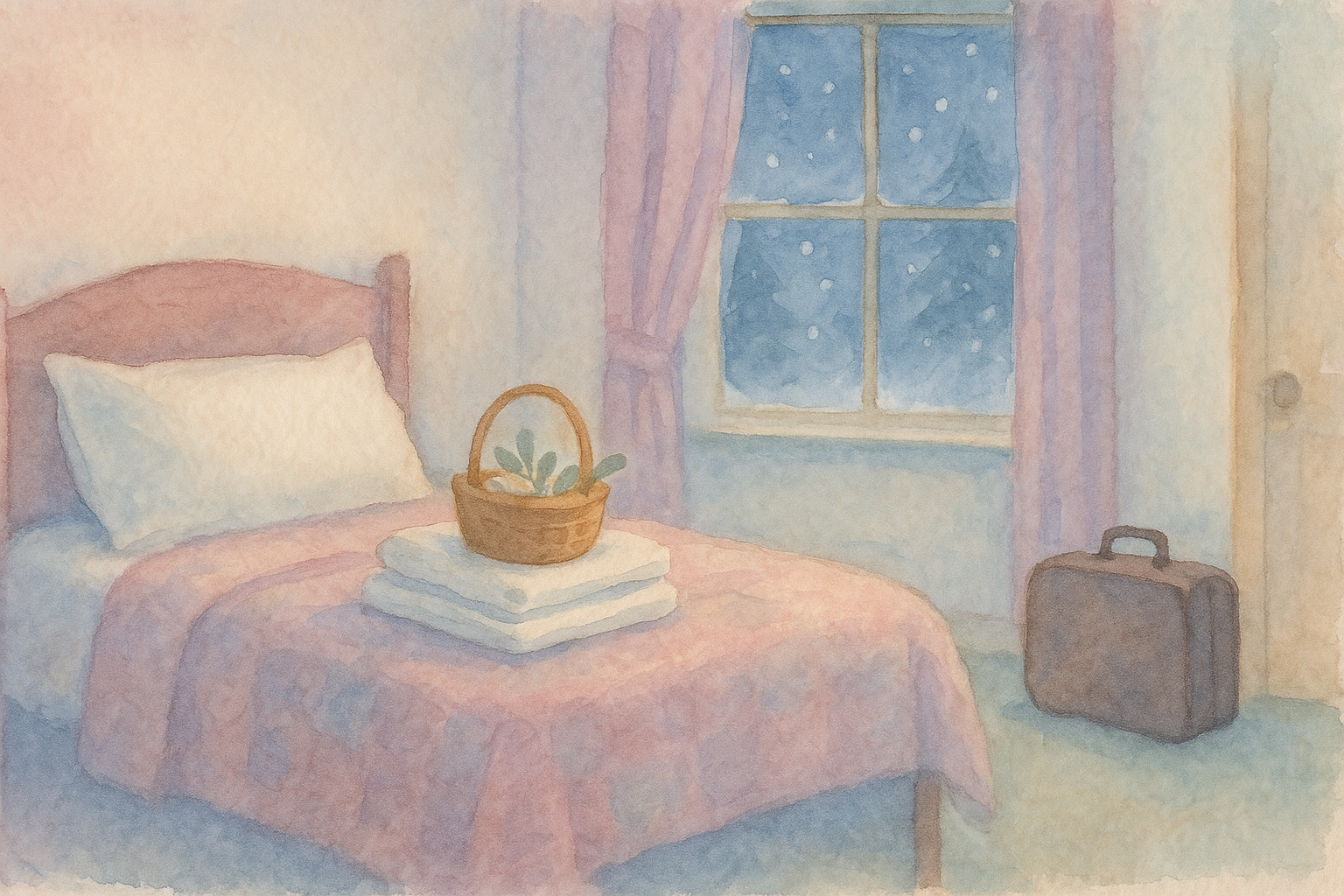
Make up beds ahead of time. Do it a day or two before guests arrive, not that afternoon. If people are sleeping on air mattresses or a sofa bed, test them now, while there’s time to borrow or replace something.
Set out a small welcome basket. Towels, a phone charger, a spare toothbrush, a bottle of water and the Wi-Fi password written on a card. It takes ten minutes and makes guests feel looked after.
Clear a landing spot. Give each household a corner or a bit of closet space for suitcases and coats. It keeps the living room from disappearing under luggage.
Think about bathrooms. If several people share one bathroom, a simple schedule for morning showers can save a lot of tension.
Plan Meals Loosely
Food is where hosting gets expensive and exhausting. A loose plan helps.
Decide on the big meals ahead of time, and keep the rest simple. Breakfasts can be a self-serve setup: cereal, bagels, fruit, coffee. Lunches can be leftovers or a big pot of soup. Pick one or two easy dinners that can stretch, like tacos, pasta or a slow-cooker meal.
Share the cooking. If a guest loves to cook, hand them a night. If someone doesn’t, ask them to handle cleanup or bring something from the store.
Keep a running list on the fridge of what’s running low. Whoever goes to the store grabs what’s on it. That way, you’re not the only one keeping track of milk.
Build in Downtime for Everyone
Extended visits get tiring when every hour is scheduled. People need breaks, and that includes you.
Leave open blocks in the plan. An afternoon where people can nap, read, take a walk or go off on their own. Kids especially benefit from unstructured time, and so do grandparents who traveled a long way.
It’s fine for the host to step away, too. A quick walk around the block or twenty minutes alone with a book isn’t rude. It’s how you stay pleasant for the rest of the day.
If you have to work during part of the visit, say so up front. Guests can plan around it when they know.
Out-of-town visitors often like having a few ideas for things to do on their own. Leave a short list of nearby walks, a good coffee shop, the library or a local holiday event. It gives guests some independence and gives you a quiet house for an hour.
Keep the Peace Without Being the Referee
Families are families. Old disagreements come up. Different parenting styles bump into each other. Someone mentions politics at dinner.
A few gentle habits help. Agree with your partner ahead of time on any topics you’d rather avoid, and have a polite way to change the subject ready. Plan activities that give people something to do together besides talk, like a board game, a puzzle or a walk to see holiday lights.
And remember that you’re not responsible for everyone’s happiness. You can offer a warm home and good food. How people choose to behave in it is mostly up to them.
Make Room for the Good Parts
With the logistics handled, you’ll have more time for what makes these visits special. Grandparents reading to grandkids. Cousins building forts. Long talks at the kitchen table after everyone else has gone to bed.
Think about one or two simple traditions that everyone can look forward to. A family photo on the front steps. A night of old home videos. A favorite dish only made when everyone’s together. Our piece on creating lasting memories during family travel has more ideas for being present during time together.
The Morning After They Leave
When the last car pulls out of the driveway, the house will feel strangely quiet. Give yourself a day to recover before diving back into normal life. Strip the beds, start the laundry and then do nothing for a while.
Hosting family is work, and it’s worth it. The goal was never a perfect visit. It was a home full of people who love each other, for a few days, with enough food and enough rest that everyone wants to come back next year.