Making the Most of Morning Light When Fall Days Get Shorter
You wake up, reach for the lamp, and realize it’s still dark outside. A month ago the sun was already up by the time the coffee finished. Now you’re making breakfast under the kitchen lights and wondering why you feel a little foggy until lunch.
That fog is common this time of year. The days are shrinking, the clocks fall back in early November, and most of us respond by spending even more time indoors under artificial light. Our bodies notice.
The good news is that you don’t need special gear or a new wellness program to push back. You need daylight, especially in the morning, and a few small habits that make it easy to get some. This is one of those rare health habits that costs nothing and fits into a day you’re already living.
Why Morning Light Does So Much Work
Your body runs on an internal clock, and light is one of the main signals that keeps it on time. Bright light early in the day tells your system that the day has started. That helps set when you feel alert and, later, when you start to feel sleepy.
In summer, you get that signal almost by accident. You walk to the car in bright sun. The kids play outside after dinner. The light finds you.
In fall, it doesn’t. The sun comes up later, and a lot of people go from a dim bedroom to a dim kitchen to a car to an office without ever spending real time in daylight. Indoor lighting feels bright enough to read by, but it’s nowhere near what you get outdoors, even on a gray day.
So the trick isn’t to fight the season. It’s to go looking for the light on purpose.
Get Outside Within the First Hour or So
The simplest version of this habit is also the most effective one. Step outside fairly soon after you wake up and stay there for a little while.
It doesn’t have to be a workout. Walk the dog a few minutes longer than you usually would. Drink your coffee on the porch or the front step instead of at the counter. Walk the kids to the bus stop instead of watching from the window. If you drive to work, park at the far end of the lot and take the long way in.
On cloudy mornings, it still counts. Overcast daylight is far brighter than a typical living room, so a gray sky isn’t an excuse to skip it. Bundle up, and treat it like part of getting dressed.
And don’t wear sunglasses for this unless you need them for comfort or safety. The point is to let the light in.
Bring the Light Indoors Where You Can
Some mornings, getting outside just isn’t happening. Maybe it’s pouring rain, maybe someone’s sick, maybe the morning has collapsed into lost shoes and missing homework. On those days, rearrange where you spend your time.
Open every blind and curtain the moment you get up. Eat breakfast at the table closest to the brightest window, not in the darkest corner of the kitchen. If you work from home, move your desk so you face a window, or at least sit beside one, for the first part of the day.
This is also a good season to look at your own house with fresh eyes. A heavy curtain that felt cozy in July can turn a room into a cave by November. Light, sheer coverings or simply tying the curtains back can make a noticeable difference in how a room feels.
Some people use light boxes designed for this purpose. If you’re curious about one, especially if fall and winter tend to hit your mood hard, that’s a good conversation to have with your doctor first, so you get one that’s appropriate and use it the right way.
Protect the Evening as Much as the Morning
Light in the morning helps set your clock. Bright light late at night can push it the other way. That’s why the two halves of the day work best as a pair.
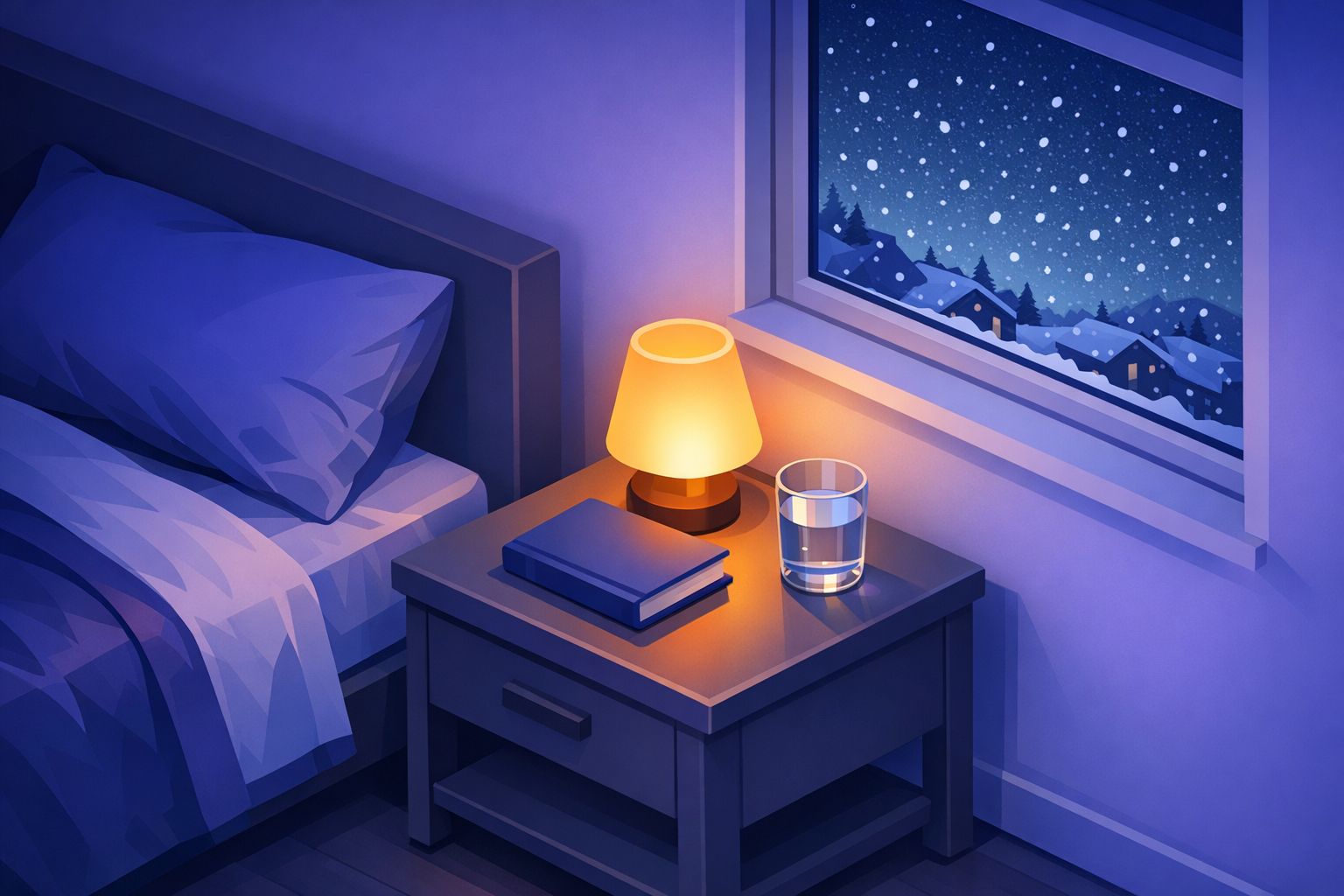
As evenings get darker earlier, it’s tempting to flip on every light in the house and keep screens glowing until bedtime. Try dimming things down instead as the night goes on. Use lamps instead of overhead lights. Turn screens down or put them away a bit before bed. Your body gets a clean message: bright means day, dim means night.
If you have kids, this lines up with what they need too. Our piece on how daylight saving time actually messes with kids’ sleep walks through how the time change hits younger sleepers, and the same light habits help the whole household.
Make It Easier for Older Family Members
For grandparents and older adults, getting outside in the morning can be harder. Cold mornings feel colder. Slippery leaves and early darkness make walks less appealing. Mobility can be a real limit.
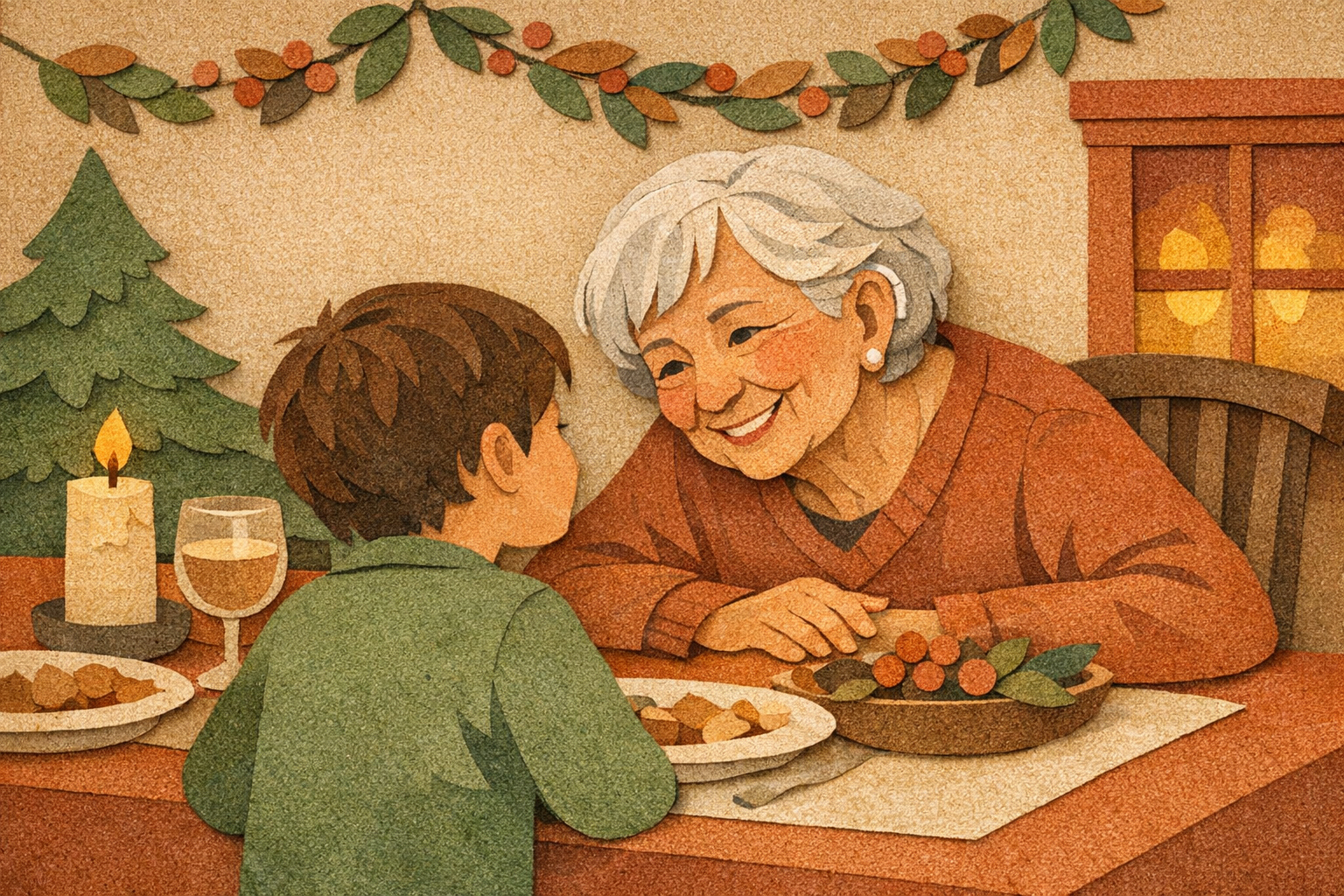
A few changes help. Pick a sunny chair by the window as the morning spot and make it comfortable enough that people want to sit there. Move morning visits, phone calls, or a crossword to that spot. If a walk is possible, aim for late morning when it’s warmer and brighter, rather than skipping light altogether.
If you’re helping an aging parent, treat light like you’d treat hydration or meals. It’s a small, daily thing that’s easy to overlook and worth a gentle nudge.
Use the Season to Build a Better Routine
Shorter days come with one odd upside. They force you to notice your routine, which makes fall a great time to rebuild it.
If you’re already rethinking your calendar for the end of the year, fold this into the plan. Our guide to planning the holidays in the last week of October is about protecting your time before December takes it. Morning light fits right into that kind of thinking. Pick the window of time that’s yours, and protect it.
Consistency matters more than intensity. A short walk at roughly the same time every day will likely do more for you than one heroic hike on Saturday. Getting up at a fairly steady time, even on weekends, gives your body a predictable rhythm to settle into.
And if you’re lucky enough to have a free weekend this fall, spend it outside. A slow afternoon in the leaves, like the trips in our look at how fall foliage road trips became a family ritual, is good for more than the photos.
When Low Energy Is More Than the Season
A little extra sluggishness in fall is normal. Persistent low mood is something else. If you or someone you love feels down most days for weeks at a time, loses interest in things they usually enjoy, or struggles to get through normal routines, don’t write it off as just the weather. Talk to a doctor. Seasonal changes in mood are real and treatable, and you don’t have to wait it out alone.
A Little Light Goes a Long Way
There’s something reassuring about a habit this simple. You don’t need an app, a subscription, or a plan you’ll abandon by Thanksgiving. You need to open the curtains, step outside, and pay attention to the sky for a few minutes before the day gets loud.
The season is going to get darker whether we like it or not. The light that’s left is still out there every morning. It’s worth going out to meet it.