
How to Maintain Muscle Mass After 50: Simple Strength Strategies
You probably know someone who seems to move with ease well into their later years—someone who lifts grandkids without strain, climbs stairs confidently, and keeps up with life’s daily demands. The secret isn’t luck or good genes alone. Staying fit plays a massive role, and one factor matters more than almost anything: how much muscle mass you maintain after 50.
After age 30, adults naturally lose between 3 and 8% of their muscle mass per decade. That rate accelerates after 60. This gradual loss—called sarcopenia—affects strength, balance, metabolism, and independence. But here’s the good news: you can slow it down, even reverse some of it, with a few intentional habits.
Why Muscle Mass Matters More After 50
Muscle isn’t just about looking toned. It’s metabolically active tissue that burns calories, stabilizes joints, and supports posture. As you lose muscle, your body burns fewer calories at rest, making weight gain easier and weight loss harder. Weaker muscles also mean a higher risk of falls, fractures, and loss of mobility.
Keeping muscle mass isn’t vanity—it’s how you preserve independence, reduce injury risk, and enjoy life fully for years to come.
Strength Training Is Non-Negotiable
Walking and cardio are valuable, but they won’t build or preserve muscle like resistance training does. Strength work sends a signal to your body: “We still need this muscle. Don’t let it go.”
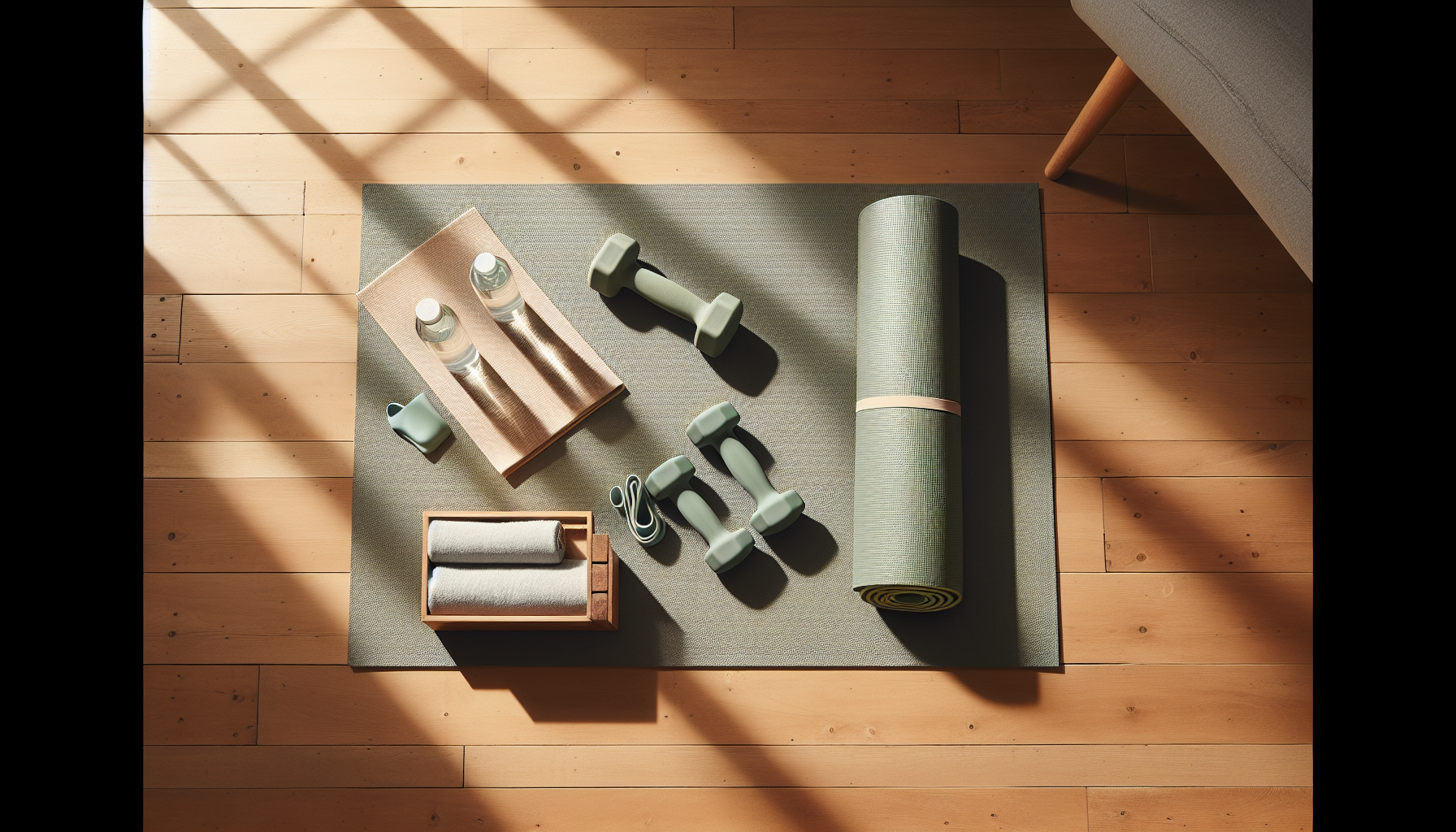
You don’t need a gym membership or heavy barbells to start. Bodyweight exercises like squats, push-ups (modified or full), and lunges work well. Resistance bands offer light, scalable tension that’s perfect for home workouts. Light dumbbells (3–10 lbs) can be enough if you’re consistent.
Aim for two to three sessions per week, targeting all major muscle groups: legs, chest, back, shoulders, and core. Rest between sets matters too—give your muscles time to recover during your workout.
Protein: The Building Block
Muscle repair and growth depend on protein. Many adults over 50 don’t eat enough. Research suggests older adults may need slightly more protein than younger people—around 1.0 to 1.2 grams per kilogram of body weight per day.
That means a 150-pound person (about 68 kg) should aim for roughly 68–82 grams of protein daily. Spread it across meals for better absorption: eggs at breakfast, chicken or fish at lunch, Greek yogurt or cottage cheese for a snack, beans or lean meat at dinner.
Plant-based eaters can hit their targets with lentils, chickpeas, tofu, quinoa, and nuts. A scoop of protein powder mixed into a smoothie works too.
Move Throughout the Day
Structured workouts help, but so does staying active between sessions. Gardening, walking, carrying groceries, playing with pets—it all adds up. Prolonged sitting accelerates muscle loss and stiffens joints.
Set a timer to stand and stretch every hour. Walk while you’re on the phone. Take the stairs when you can. Being active in small, consistent ways supports the work you do during formal exercise.
Sleep and Recovery Matter
Muscle grows during rest, not during the workout itself. Sleep is when your body repairs tissue and regulates hormones that control muscle maintenance. Chronic sleep deprivation can blunt your progress and increase cortisol, a hormone that breaks down muscle.
Aim for 7–9 hours per night. Create a consistent bedtime routine, keep your room cool and dark, and avoid screens an hour before bed if possible.
Don’t Fear Soreness, But Respect It
Some muscle soreness after a workout is normal—it means you challenged your body. But pain that’s sharp, sudden, or persistent isn’t something to push through. Listen to your body and adjust intensity as needed.
If you’re new to strength training or returning after a break, start light. Focus on form over weight. Add resistance gradually. Working with a trainer or physical therapist for a session or two can help you build a safe, effective routine.
Stay Consistent, Not Perfect
You don’t need to train like an athlete or follow a rigid program. What matters is showing up regularly. Two 20-minute strength sessions per week will do more for you than sporadic bursts of intense effort followed by weeks of nothing.
Track your progress—not just weight, but how you feel, what you can lift, how easily you move. Progress might be subtle: carrying a heavier bag of groceries, standing from a chair more smoothly, noticing better posture.
It’s Not Too Late to Start
Even if you’ve never lifted weights or you’ve been inactive for years, your muscles can still respond. Studies show that people in their 70s and 80s can gain strength and muscle mass with consistent resistance training.
Start where you are. Use what you have. Do what you can. The goal isn’t perfection—it’s preservation, strength, and the freedom to keep doing what you love for as long as possible.
Related: Joel Comm delivers AI keynotes for healthcare organizations looking to help their teams understand and use AI with confidence.


