How to Stay Strong After 50: Simple Resistance Training Basics
If you’ve reached your fifties and think strength training after 50 is only for athletes or gym enthusiasts, it’s time to reconsider. Building and maintaining muscle becomes more important, not less, as we age. The good news? You don’t need a fancy gym membership or complicated equipment to start—just a willingness to invest 20 minutes a few times a week.
Why Strength Training After 50 Matters
After age 30, adults naturally lose 3-5% of muscle mass per decade, a process called sarcopenia. By your fifties, this loss accelerates unless you actively work against it. Muscle isn’t just about looking fit—it supports your joints, protects your bones, stabilizes your blood sugar, and keeps you independent in daily tasks like carrying groceries or climbing stairs.
Resistance training doesn’t just slow muscle loss; it can reverse it. Studies show that even people in their 70s and 80s can build meaningful strength with consistent practice. Think of it as future-proofing your body.
Start With What You Have
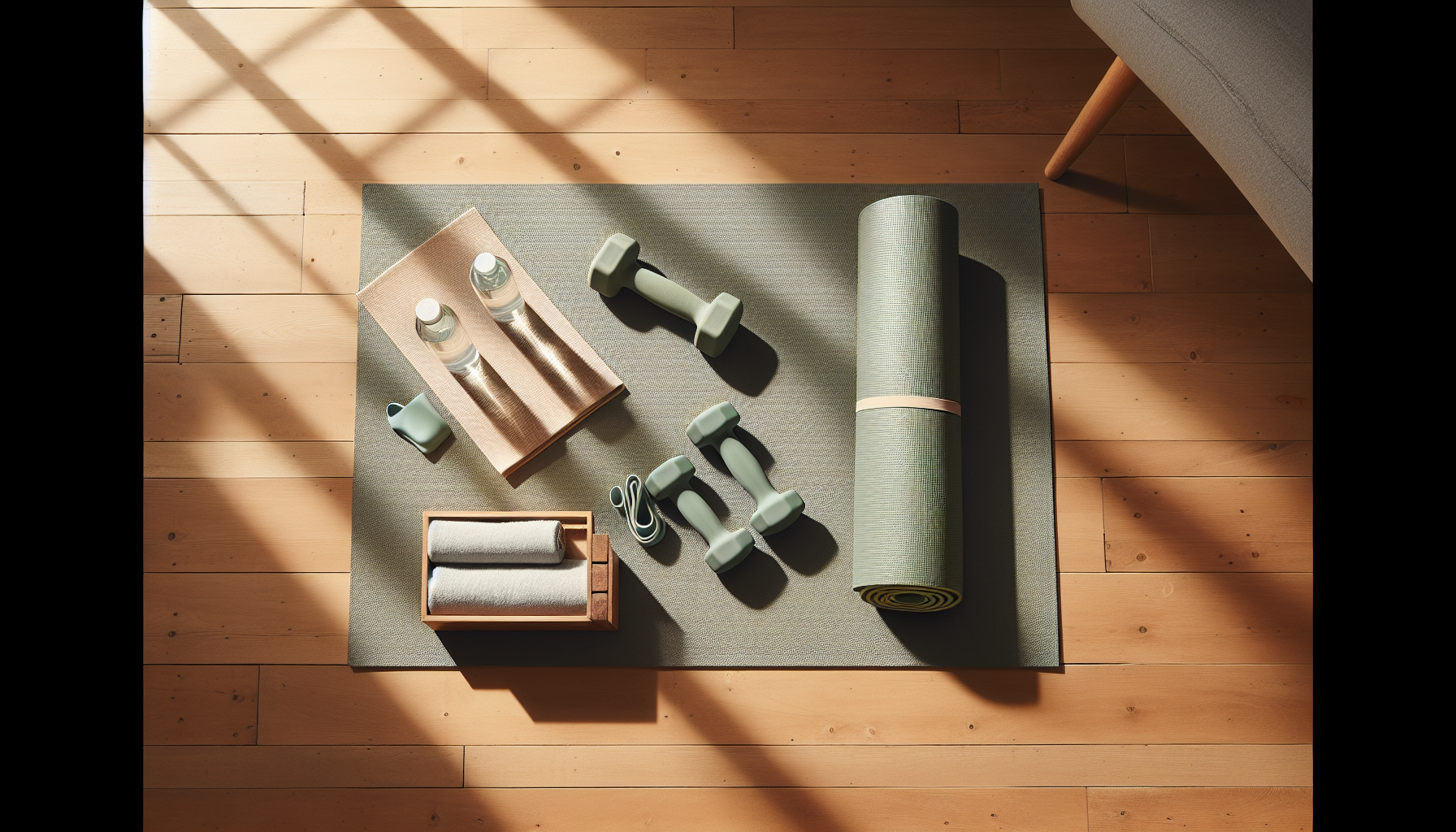
You don’t need weights to begin. Bodyweight exercises—squats, wall push-ups, chair stands, and planks—are effective starting points. A set of resistance bands (light, medium, and heavy) costs less than $20 and fits in a drawer. These simple tools provide enough challenge for months of progress.
If mornings work best for you, consider pairing your routine with other healthy habits. Many people find that becoming a morning person creates space for consistent exercise before the day gets busy.
Focus on the Big Movements
When you’re new to strength training after 50, prioritize compound movements that work multiple muscle groups at once:
- Squats or Chair Stands: Strengthen legs, hips, and core
- Push-Ups (wall or counter height): Build chest, shoulders, and triceps
- Rows (with bands or light weights): Support posture and back strength
- Bridges: Activate glutes and stabilize your lower back
- Planks: Build core stability without stressing your spine
Two to three sets of 8-12 repetitions is a solid starting framework. Rest for 60-90 seconds between sets. You should feel challenged by the last few reps, but never strained.
Pair Strength Work With Recovery
Recovery is not optional—it’s when your muscles actually grow stronger. After a resistance session, your body needs 48 hours to repair those muscle fibers. That means if you work your legs on Monday, wait until Wednesday or Thursday before training them again.
Sleep quality plays a huge role here. Your evening habits can set you up for better recovery. If you’re struggling with rest, refining your evening routine might be the missing piece.
Nutrition Supports Your Effort
Muscle repair requires protein—aim for about 25-30 grams per meal if you’re training regularly. That’s roughly the amount in a palm-sized portion of chicken, fish, tofu, or Greek yogurt. Spreading protein throughout the day helps your body use it more effectively than loading it all into one meal.
Don’t overthink it. A balanced approach to eating—one that includes vegetables, whole grains, lean proteins, and healthy fats—gives your body the fuel it needs. If you’re looking for guidance, the total diet approach offers a sensible framework without extremes.
Listen to Your Body (But Don’t Baby It)
There’s a difference between discomfort and pain. Muscle fatigue during a set, or mild soreness the next day, is normal. Sharp pain, joint discomfort, or anything that worsens with movement is a signal to stop and reassess.
If you have arthritis, old injuries, or chronic conditions, start conservatively. A physical therapist or certified trainer with experience in older adults can help you modify exercises safely. Most movements have gentler variations that still deliver results.
Build the Habit First, Then the Intensity
The biggest mistake people make at any age is doing too much, too soon. Your goal in the first month isn’t to get dramatically stronger—it’s to make resistance training a non-negotiable part of your week. Consistency beats intensity every time.
Start with two sessions per week. Once that feels automatic, add a third. Focus on form before adding weight or resistance. Film yourself with your phone if you’re unsure whether you’re doing a movement correctly—sometimes seeing yourself from the outside is surprisingly helpful.
Track Progress Beyond the Mirror
Strength gains show up in everyday life before they show up in the mirror. You’ll notice you can carry heavier bags, get up from the floor more easily, or maintain your balance on uneven ground. These functional improvements matter more than aesthetics.
Keep a simple log: date, exercises, sets, reps, and how you felt. After a few weeks, you’ll see patterns—maybe you’re stronger on certain days, or certain movements improve faster than others. This feedback loop keeps you motivated and helps you adjust your approach.
You’re Not Too Late
If you’re reading this and thinking you should have started years ago, let that thought go. Research consistently shows that strength training delivers benefits at any age. Your body is remarkably adaptable—it will respond to the stimulus you give it, whether you’re 52 or 72.
The version of you six months from now will be grateful you started today. Strength training after 50 isn’t about chasing youth; it’s about claiming the vitality, independence, and resilience you deserve in the decades ahead.
Related: Joel Comm delivers AI keynotes for healthcare organizations looking to help their teams understand and use AI with confidence.